
Climate & Durability
Construction guidance for rain, coastal exposure, wildfire, seismic risk, moisture control, corrosion, drainage, and long-term envelope performance.
West Coast construction spans marine rain, inland heat, wildfire exposure, seismic risk, salt air, and large regional differences in drying potential. Durable work begins by identifying the exposure that controls the design.
What this section covers
- Wet-climate wall and roof decisions
- Coastal corrosion and salt-air exposure
- Wildfire-resistant exterior assemblies
- Seismic retrofit fundamentals
- Moisture control and mold prevention
- Drainage, flashing, and drying potential
- Energy-efficient and durable envelopes
The first guide, building for rainy climates, explains the four control layers and the transitions where failures often begin. It connects directly to building envelope basics.
Rain, moisture, and coastal guides
- Rainy-climate construction — plan drainage, drying, wet-weather construction, and verification for exposed sites.
- Moisture control in buildings — manage rain, groundwater, air leakage, vapor, plumbing, construction moisture, and maintenance.
- Coastal construction — coordinate salt exposure, corrosion, wind-driven rain, flood context, exterior systems, and recurring care.
- Rainscreen wall systems — design the drained cavity and the wall behind the finish as one assembly.
- Exterior cladding guide — compare finish families after exposure and control-layer requirements are established.
For regional context, continue to the Pacific Northwest construction guide, then confirm current local hazards and adopted requirements for the project jurisdiction.
Climate is a design input
Regional labels are not specifications. A site near the Oregon coast, an inland valley, a mountain snow zone, and a California wildland-urban interface require different priorities. Each guide states its assumptions and directs readers to local code, hazard, and permitting sources.
Safety-critical decisions require qualified design professionals and current local requirements.
Start with these guides
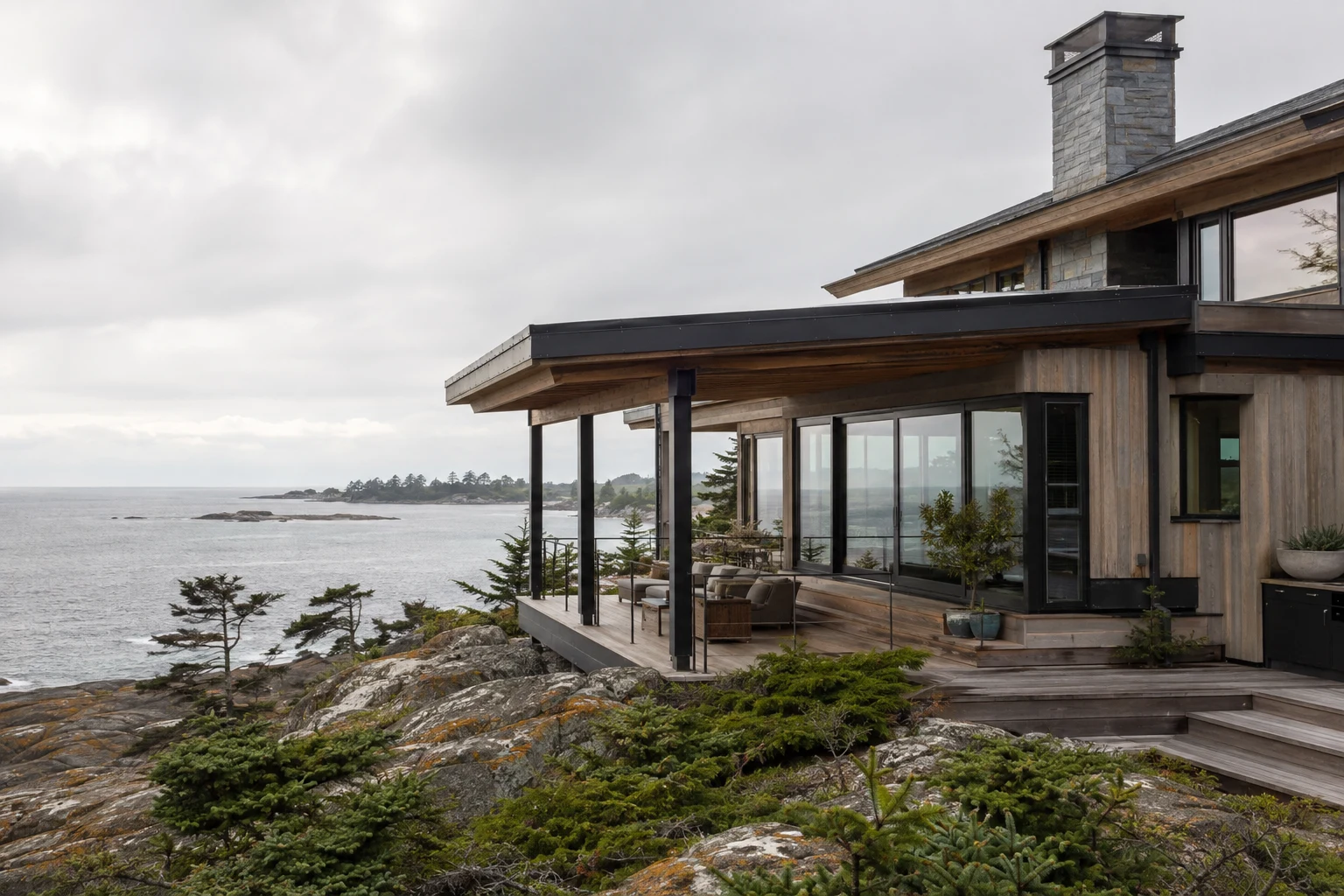
Coastal Construction: Materials, Corrosion, Wind, Water, and Maintenance
A practical West Coast guide to salt exposure, corrosion, wind-driven rain, flood and wave context, exterior assemblies, and coastal maintenance.
Read article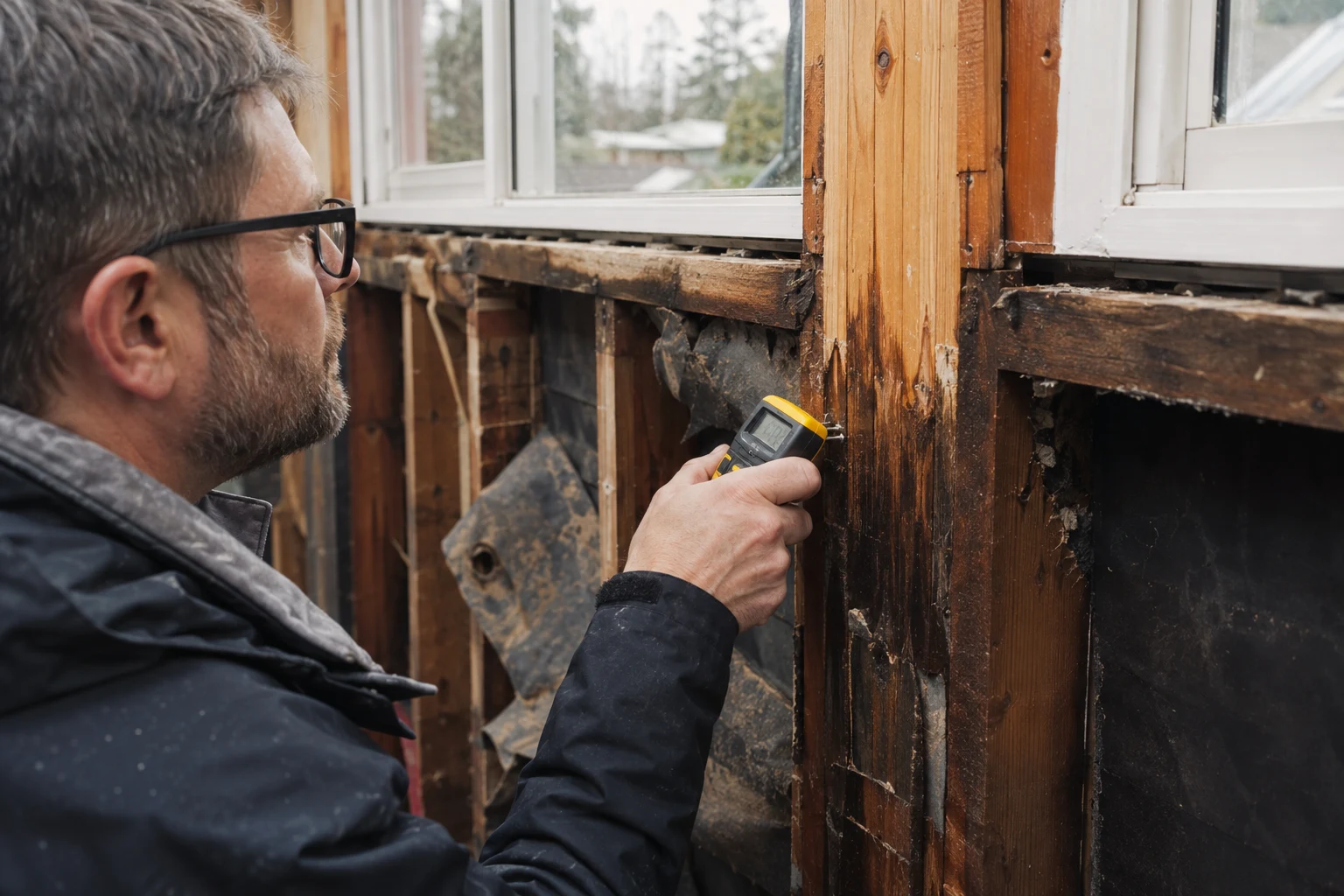
Moisture Control in Buildings: Design, Construction, and Maintenance
A practical guide to controlling rain, groundwater, air leakage, vapor, plumbing leaks, and construction moisture in durable buildings.
Read article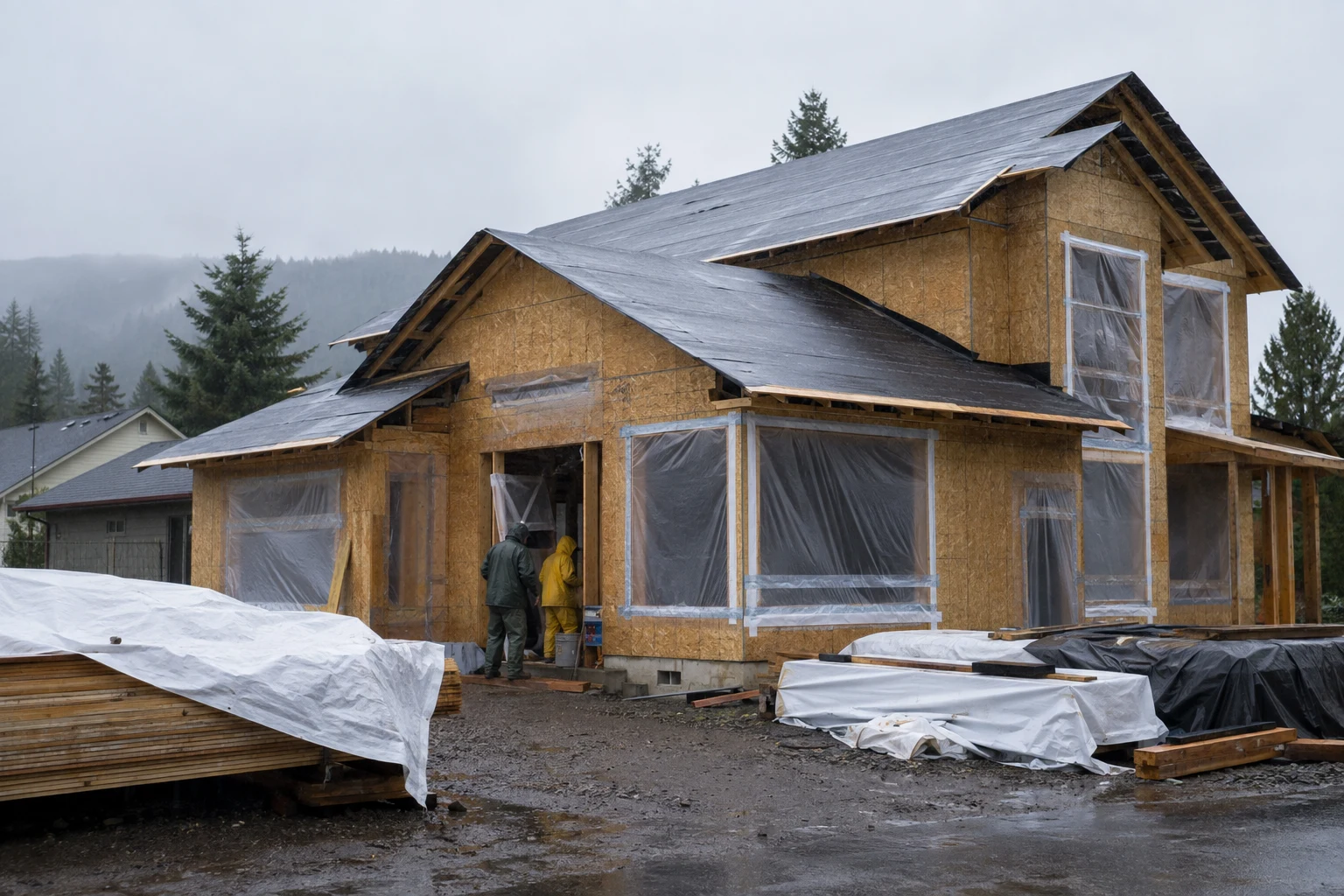
Building for Rainy Climates
Construction priorities for wind-driven rain, drainage, flashing, temporary protection, drying, and moisture verification in wet West Coast regions.
Read article